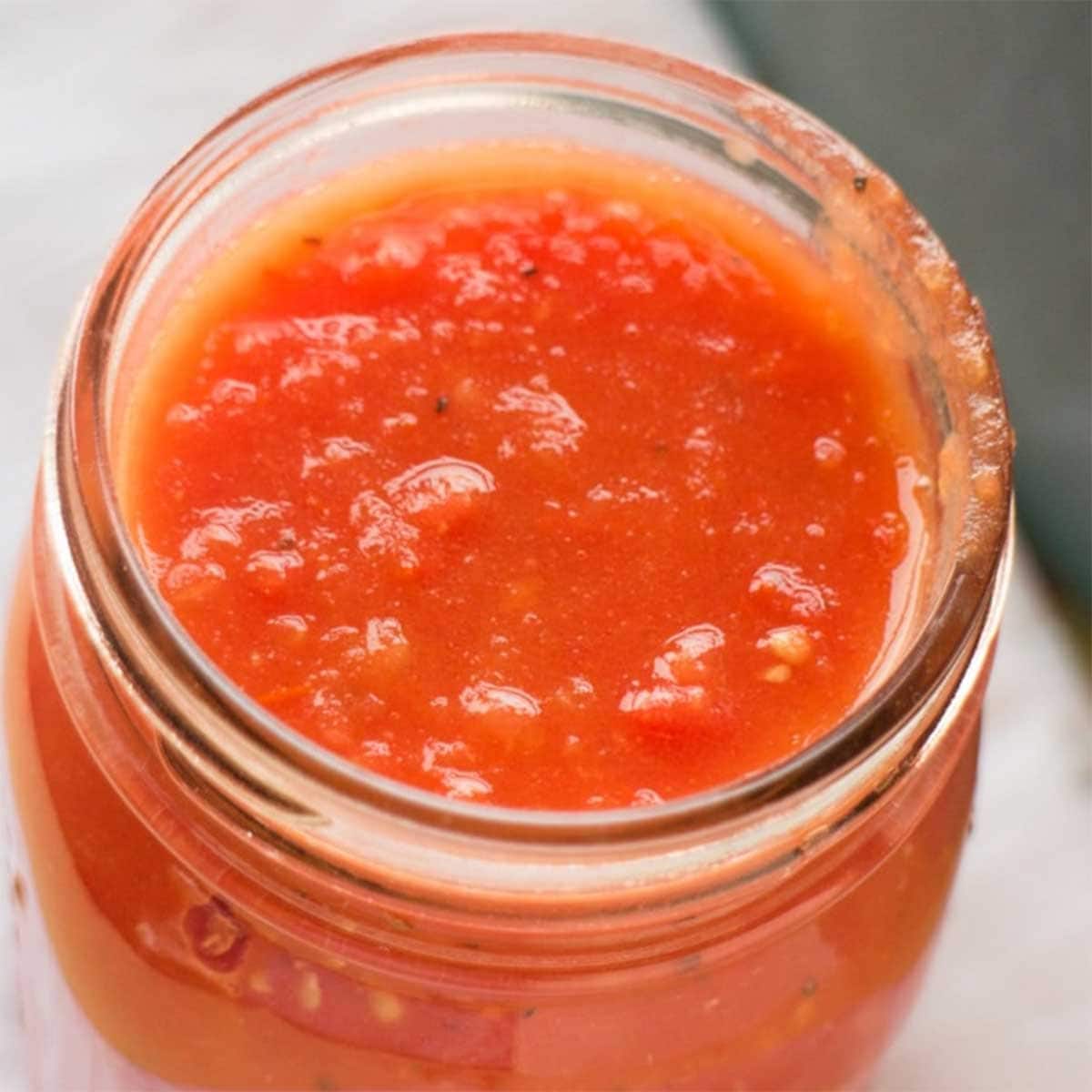
As August rolls around, home gardeners know the delightful dilemma all too well: an abundance of sun-ripened tomatoes begging to be transformed. While many classic homemade Roma tomato sauce recipes call for time-consuming blanching and peeling, what if we told you there’s an easier way to capture that vibrant, fresh flavor without all the fuss? Get ready to discover a game-changing method for making an incredibly delicious, no-peel, no-blanch Roma tomato sauce that lets the true taste of your garden bounty shine!
Why This No-Fuss Roma Tomato Sauce Will Be Your New Favorite
Summer is for enjoying the sunshine, not slaving over a hot stove. That's why this particular homemade Roma tomato sauce recipe is a true revelation. The secret? We skip the laborious steps of blanching and peeling the tomatoes entirely. Yes, you heard that right! No more dunking tomatoes in boiling water, fishing them out, and painstakingly stripping away their skins. This simple approach shaves significant time off your sauce-making process, freeing you up to chase water balloons with loved ones or simply relax in your backyard.
You might be wondering if skipping the peel affects the sauce's texture or taste. The answer is a resounding "no" for the worse, and often "yes" for the better! As the Roma tomatoes simmer and break down, their skins naturally soften and separate, becoming imperceptible in the final blended sauce. In fact, many believe leaving the skins on adds a subtle depth of flavor and even nutritional benefits thanks to the lycopene concentrated just beneath the skin. The result is a wonderfully creamy, yet still slightly chunky, fresh-tasting sauce that truly highlights the sweet, earthy essence of the Roma tomato. It's a brighter, more vibrant flavor profile that simply can't be matched by store-bought canned varieties.
This recipe isn't just easy; it's designed for efficiency, making it perfect for processing large batches of garden-fresh Roma tomatoes. Whether you're looking for a quick weeknight pasta sauce or preparing to stock your freezer and pantry for months to come, this method ensures maximum flavor with minimal effort.
Choosing Your Tomatoes: Beyond Just Romas
While this article celebrates the joy of using Roma tomatoes for sauce, it's a common and valid question: do you have to use Roma tomatoes? The quick answer is no, but they are highly recommended for a reason. Roma tomatoes, also known as plum tomatoes, are the quintessential sauce tomato due to several key characteristics:
- Low Water Content: Romas are famously meaty with fewer seeds and less watery pulp compared to many other tomato varieties. This means less simmering time is required to achieve a thick, rich sauce.
- Dense Flesh: Their firm texture holds up well to cooking, breaking down into a lovely, substantial sauce rather than a thin, watery liquid.
- Sweet-Tart Balance: Romas offer a perfect balance of sweetness and acidity, making them naturally ideal for a well-rounded sauce.
However, don't let a lack of Roma tomatoes deter you from making fresh homemade sauce! You absolutely can use other tomato varieties, especially if your garden is overflowing with them. Beefsteak, Early Girl, or even cherry tomatoes can be transformed into delicious sauces. The main difference you might encounter is their water content. Varieties with higher water content will simply require a longer simmering time to reduce and thicken to your desired consistency. You might also want to remove a bit more of the seedy core if using very juicy tomatoes. Experimentation is key to finding your personal favorite sauce tomato combination. For more insights on selecting the best tomatoes, check out our guide on Garden Fresh Roma Tomato Sauce: Simple Recipe for Best Flavor.
Step-by-Step Guide to Your Effortless Roma Tomato Sauce
Ready to turn your pile of fresh Roma tomatoes into a culinary masterpiece? Here’s how you do it, no advanced chef skills required:
1. Prep Your Tomatoes
- Start by thoroughly washing your fresh Roma tomatoes.
- Trim off any green tops or blemishes.
- Cut the tomatoes into roughly 1 to 2-inch pieces. Don't worry about precision here; they're all going to break down!
2. Begin the Simmer
- Place all your chopped tomatoes into a large, heavy-bottomed pot or Dutch oven.
- Sprinkle generously with salt and freshly ground black pepper. These initial seasonings help draw out moisture and begin building flavor.
- Bring the mixture to a boil over medium-high heat, then reduce the heat to a steady simmer.
- Cover the pot partially, allowing some steam to escape, and let the tomatoes cook down for about 30-40 minutes, stirring occasionally. You'll witness them softening, releasing their juices, and naturally breaking down. You'll even notice the skins starting to curl and detach, a testament to the heat doing all the work for you!
3. Build the Flavor Base
- While your tomatoes are simmering, prepare your aromatics. Mince several cloves of fresh garlic – the amount is up to your preference, but don't be shy!
- Measure out a good quality extra virgin olive oil.
- After the initial simmer, add the minced garlic and olive oil to the pot. Stir well.
- Chef's Tip: For added depth, you can sauté a finely diced onion or shallot in the olive oil before adding it to the tomatoes, or even add fresh herbs like basil sprigs, oregano, or a bay leaf to simmer with the tomatoes. Just remember to remove any woody stems or bay leaves before blending.
- Continue to simmer for another 15-20 minutes, allowing the garlic to infuse the sauce and the flavors to meld beautifully.
4. Achieve Your Desired Consistency
- Once the tomatoes are completely soft and mushy, remove the pot from the heat.
- Grab your trusty immersion blender! This tool is a game-changer for homemade sauces, allowing you to blend right in the pot.
- Blend the sauce until it reaches your desired consistency. Do you prefer a slightly chunky, rustic sauce? Blend for just a few seconds. Love a super smooth, velvety texture? Blend longer until no visible pieces remain. The beauty is in your control.
- No Immersion Blender? No Problem! You can carefully transfer the sauce in batches to a regular blender or food processor. Just be cautious with hot liquids – fill the blender only halfway, secure the lid with a towel, and start on a low speed. Alternatively, for a truly rustic sauce, a simple potato masher can do wonders for breaking down the softened tomatoes.
5. Taste and Adjust
- This is the critical final step! Taste your fresh roma tomato sauce.
- Adjust seasoning as needed. You might want more salt, a pinch of sugar to balance acidity, or a dash of red pepper flakes for a little kick.
- Stir in fresh chopped basil or parsley right at the end for a burst of fresh flavor.
Enjoying & Storing Your Homemade Roma Tomato Sauce
The moment you've been waiting for! Your easy homemade Roma tomato sauce is ready to elevate your meals.
- Immediate Enjoyment: Serve it generously over your favorite pasta – spaghetti, penne, or fettuccine all welcome this fresh delight. It's also fantastic as a base for chicken or eggplant parmesan, a vibrant pizza sauce, or spooned over roasted vegetables and grilled meats.
- Refrigeration: For short-term storage, transfer any leftover sauce into airtight containers or jars. It will keep beautifully in the refrigerator for 3-5 days.
- Freezing for Later: This roma tomato sauce freezes exceptionally well, making it ideal for meal prepping.
- Allow the sauce to cool completely before freezing.
- Portion the sauce into freezer-safe containers, heavy-duty freezer bags, or even ice cube trays for smaller serving sizes.
- Label clearly with the date.
- Frozen roma tomato sauce will maintain its quality for up to 6 months. Thaw overnight in the refrigerator or gently reheat from frozen on the stovetop.
- Canning: For those experienced in home canning, this sauce can also be preserved for shelf-stable storage. Just ensure you follow proper canning guidelines and acidity levels, typically by adding lemon juice or citric acid, to ensure safety. This makes it a fantastic gift or a way to enjoy summer flavors all year long. Our article Homemade Roma Tomato Sauce: Perfect for Pasta & Freezing provides more details on various storage methods.
There's nothing quite like the taste of fresh, homemade Roma tomato sauce. It's a culinary hug that warms the soul and celebrates the bounty of the season. By embracing this no-peel, no-blanch method, you're not just making a delicious sauce; you're reclaiming your summer without sacrificing flavor. So go ahead, gather those beautiful Roma tomatoes, and get ready to create a sauce that will become a staple in your kitchen and a testament to the joy of simple, fresh ingredients.
