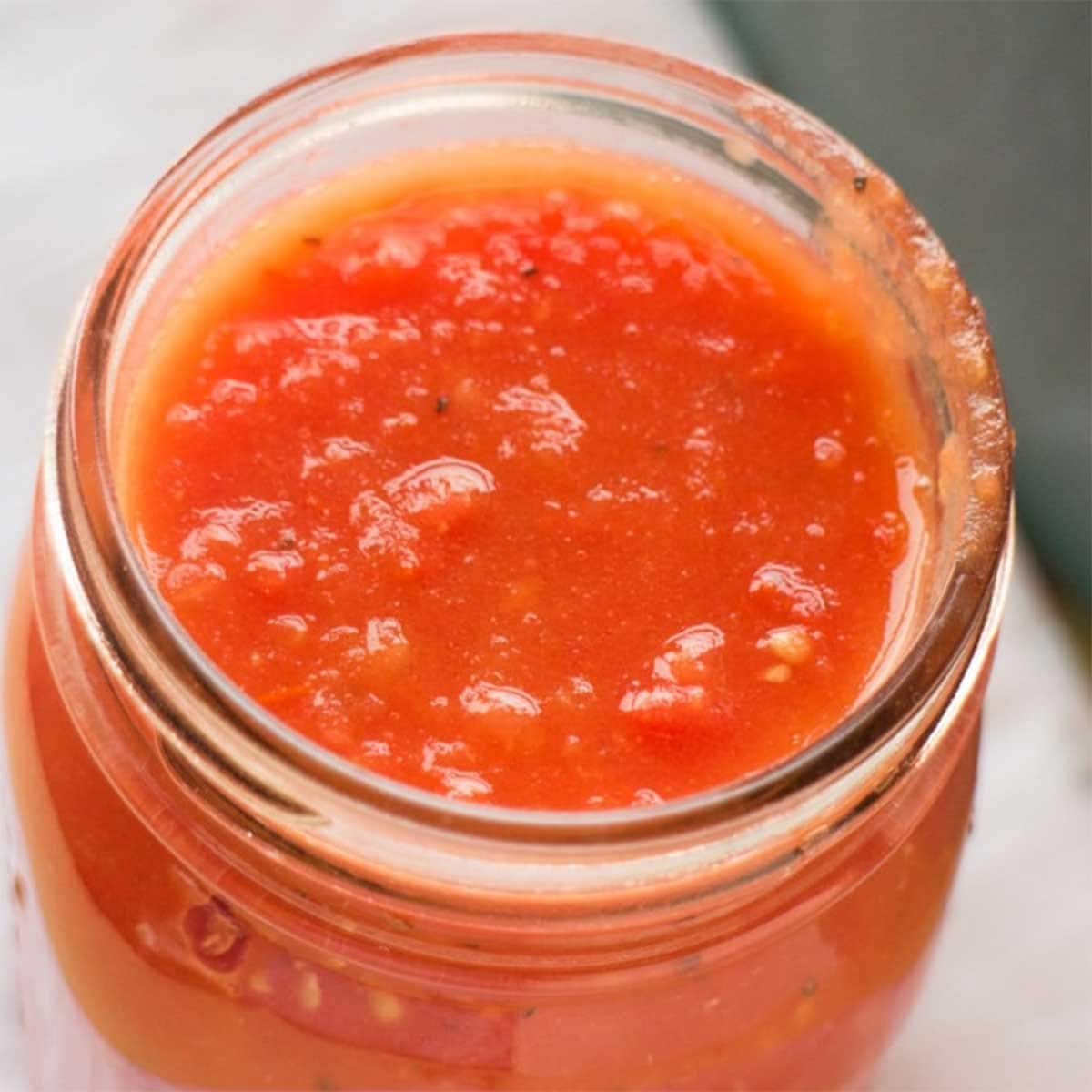
Garden Fresh Roma Tomato Sauce: Simple Recipe for Best Flavor
There's an undeniable magic that happens in late summer when tomato plants are overflowing with ripe, luscious fruit. For many home gardeners and fresh produce enthusiasts, this abundance signals one thing: time to make homemade sauce. While store-bought options can suffice, nothing compares to the vibrant, pure taste of roma tomato sauce made from scratch. Forget the notions of complicated kitchen processes involving endless peeling and blanching; we're here to share a simple yet supremely flavorful recipe that lets the true essence of your garden-fresh Roma tomatoes shine.
Roma tomatoes, also known as plum tomatoes, are the undisputed champions for sauce-making. Their firm, meaty texture, low seed count, and reduced water content make them ideal for simmering down into a rich, concentrated sauce. This isn't just a recipe; it's an ode to seasonal eating, a celebration of simplicity, and your new go-to method for capturing the taste of summer in a jar, ready to elevate any meal from pasta to pizza.
Why Roma Tomatoes are the Secret to Superior Sauce
Before diving into the recipe, let's talk about why Romas are the star of this show. Unlike their juicier, more watery counterparts, Roma tomatoes boast a higher flesh-to-liquid ratio. This means less time spent boiling down excess water and more time developing deep, concentrated flavor. Their naturally sweet and tangy profile, coupled with a sturdy skin that softens beautifully during cooking, makes them incredibly forgiving and perfect for a rustic, full-bodied sauce.
Choosing fresh, ripe Roma tomatoes is paramount. Look for firm, heavy tomatoes with a deep red color and no blemishes. If you're harvesting from your own garden, pick them when they're at their peak – warm from the sun and fragrant. The quality of your raw ingredients directly translates to the exceptional taste of your final roma tomato sauce.
The Game-Changing "No Peel, No Blanch" Method
Perhaps the most revolutionary aspect of this homemade roma tomato sauce recipe is its astounding simplicity: no peeling and no blanching required! For years, home cooks have endured the tedious task of scoring, boiling, shocking, and stripping tomato skins, believing it essential for a smooth, palatable sauce. We're here to tell you that with Roma tomatoes, it's simply not necessary for a delicious outcome.
Here's why this method works beautifully:
- Time-Saving: Eliminating peeling and blanching shaves significant time off your sauce-making process, making homemade sauce accessible even on busy days.
- Nutrient Retention: Many valuable nutrients and fiber are concentrated in the tomato skins. By keeping them, you're boosting the nutritional profile of your sauce.
- Texture Development: As the tomatoes simmer, their skins naturally soften and break down. A quick blitz with an immersion blender at the end ensures a smooth-yet-rustic texture, where the skins become virtually undetectable, contributing to a richer mouthfeel.
- Enhanced Flavor: The skins also contain compounds that contribute to the overall depth of flavor. Keeping them in allows for a more robust and complex taste profile that celebrates the whole tomato.
This approach isn't just about ease; it's about embracing the natural goodness of the tomato in its entirety. For more details on a truly effortless method, check out our guide on Easy Homemade Roma Tomato Sauce: No Peeling or Blanching!
Crafting Your Garden Fresh Roma Tomato Sauce: Step-by-Step
Ready to transform a bounty of ripe Romas into a sauce bursting with flavor? Here’s how:
Ingredients:
- 3-4 pounds ripe Roma tomatoes, washed
- 2-3 cloves garlic, minced (or more, to taste)
- 2-3 tablespoons extra virgin olive oil
- 1 teaspoon sea salt (or to taste)
- ½ teaspoon black pepper (or to taste)
- Optional: Fresh basil leaves, oregano, a pinch of sugar
Instructions:
- Prepare the Tomatoes: Wash your Roma tomatoes thoroughly. There's no need to remove the cores unless they are particularly tough. Simply cut them into roughly 1-2 inch pieces. Don't worry about precision; they will break down significantly.
- Initial Simmer: Place the cut tomatoes into a large, heavy-bottomed pot or Dutch oven. Sprinkle generously with salt and pepper. Bring the tomatoes to a gentle boil over medium-high heat, then reduce the heat to low, cover, and let them simmer for about 20-30 minutes. During this time, the tomatoes will release their juices and start to soften and break down naturally. Stir occasionally. You'll notice the skins beginning to separate and curl – this is perfectly normal and desired!
- Infuse with Flavor: Once the tomatoes are thoroughly softened, remove the lid. Add the minced garlic and extra virgin olive oil to the pot. Stir well to combine. You'll immediately smell the fragrant garlic permeating the sweet tomato aroma. Continue to simmer, uncovered, for another 15-20 minutes, allowing some of the liquid to evaporate and the flavors to meld.
- Achieve Desired Consistency: This is where the magic happens. Remove the pot from the heat. Using an immersion blender, carefully blend the sauce directly in the pot until you reach your desired consistency. Some prefer a chunkier, more rustic sauce, while others aim for a silky-smooth puree. Blend in short bursts, checking the texture as you go. If you don't have an immersion blender, you can carefully transfer batches to a regular blender, being cautious with hot liquids (vent the lid!).
- Final Seasoning and Herbs: Taste the sauce and adjust salt, pepper, or add a tiny pinch of sugar if your tomatoes are particularly tart. Now is the time to stir in fresh chopped basil or a sprinkle of dried oregano if desired. The warmth of the sauce will release their aromatic oils, adding another layer of incredible flavor.
Tips for the Best Flavor and Versatility
- Roasting for Depth: While this recipe focuses on stovetop simplicity, for an even deeper, sweeter flavor profile, consider roasting your Roma tomatoes first. Halve them, toss with olive oil, salt, pepper, and garlic, then roast at 400°F (200°C) for 30-40 minutes until slightly caramelized before following the simmering steps. This adds a fantastic umami note to your roma tomato sauce.
- Herbal Infusion: Beyond basil and oregano, experiment with other fresh herbs like thyme, marjoram, or even a bay leaf during the simmering stage. Remove woody herbs like thyme sprigs or bay leaves before blending.
- A Touch of Acidity: If your sauce tastes a little flat, a splash of red wine or balsamic vinegar can brighten the flavors and add complexity. Add it during the simmering stage to cook off the alcohol.
- Spice It Up: For a little kick, add a pinch of red pepper flakes along with the garlic.
- Quality Olive Oil: Using a good quality extra virgin olive oil not only aids in cooking but also adds a fruity, peppery note that enhances the overall flavor.
Serving and Storing Your Homemade Roma Tomato Sauce
Once your Homemade Roma Tomato Sauce: Perfect for Pasta & Freezing is ready, the possibilities are endless! It's utterly divine simply tossed with your favorite pasta, perhaps with a sprinkle of fresh Parmesan. But don't stop there:
- Pasta Perfection: The classic pairing. Serve with spaghetti, fettuccine, penne, or rigatoni.
- Pizza Base: An incredible foundation for homemade pizzas.
- Marinara for Dipping: Excellent as a dipping sauce for breadsticks, mozzarella sticks, or arancini.
- Chicken or Eggplant Parmesan: Elevate these hearty Italian-American dishes.
- Base for Soups and Stews: Use it as a rich base for minestrone, tomato soup, or various stews.
- Shakshuka: A flavorful bed for poached eggs.
Storage Solutions:
One of the greatest benefits of making a large batch of roma tomato sauce is the ability to preserve that fresh taste for months to come.
- Refrigerator: Freshly made sauce can be stored in an airtight container in the refrigerator for up to 5-7 days.
- Freezer: For longer storage, allow the sauce to cool completely. Ladle it into freezer-safe bags (laying them flat for easy stacking) or rigid containers. It will keep beautifully in the freezer for up to 6 months, even longer if properly sealed. Thaw overnight in the refrigerator or gently reheat from frozen on the stovetop.
- Canning: For serious preservation enthusiasts and those with a massive tomato harvest, this sauce can also be safely canned using a tested water bath canning method. Ensure you follow approved guidelines for acidity and processing times.
Conclusion
Making your own roma tomato sauce is a rewarding culinary experience that connects you directly to the flavors of the season. This simple, no-fuss recipe proves that gourmet taste doesn't require complex techniques, just quality ingredients and a little love. By embracing the natural goodness of Roma tomatoes and a straightforward cooking process, you can create a sauce that rivals any restaurant and will become a beloved staple in your kitchen. So, gather your tomatoes, big pot, and immersion blender, and prepare to be amazed by the garden-fresh flavor you can create right at home.
